After the buildup of Krypton, Smallville, and the Fortress of Solitude, we now turn our attention to what has made Superman successful: the action in Metropolis. As with the final film, Mario Puzo’s first draft script from July 1975 spends a relatively small part of time building up to the events in Metropolis. But does it bear any resemblance to what we see in the final film?
Let’s start with Clark Kent’s arrival in Metropolis. Even in this early draft, Puzo sees Park Avenue in New York City as part of Metropolis. This is something that is referenced in the final film, as Lex Luthor and Miss Teschmacher both mention that their lair is 200 feet below Park Avenue.
From there, a pair of taxis accidentally run down Clark. While he is not injured in the mishap, both taxis are damaged. This is a running gag that resurfaces in later scripts and is briefly mentioned in a news report in the first Superman film, when the TV announcer says, “A cab driver ran a pedestrian down today…”
We then see Clark getting accosted by a pair of panhandlers who are after the money in Clark’s wallet. He then uses his superhuman strength to plaster them against a nearby truck. This is kind of similar to what will happen in Supergirl when she is unwelcomely approached by a pair of bullies at night. Otherwise, this scene does not survive beyond the Puzo drafts.
From there Clark finds his way to Galaxy Communications, where Perry White interviews him for a newscaster job. We then meet the head of Galaxy Communications, one Morgan Edge, whose office is covered with at least ten different TV sets all tuned in to different channels. Puzo describes him as “a big, beefy type, Broderick Crawford style with toothbrush mustache. He also has a big frightening voice and a big frightening cigar. He dresses Wall Street flashy.”
Morgan Edge is the least familiar character at this time in the Superman franchise. He first appeared in issue #133 of Superman’s Pal Jimmy Olsen, dated October 1970, and was written and illustrated by Jack Kirby. Born Morris Edelstein, he changed his name to Morgan Edge after winning ownership of his first TV station in a poker game. He would later president of Galaxy Broadcasting Systems, the home of WGBS, and during his time he bought out the Daily Planet and transferred Clark Kent to the newscasting division as a traveling correspondent and anchorman. He also used his wealth to get involved in political matters in Metropolis, frequently butting heads with Superman. In later years Edge would have ties to the Superman Revenge Squad and, after John Byrne’s 1986 revision, Intergang. To this day he is still portrayed as a multimedia mogul in Metropolis.
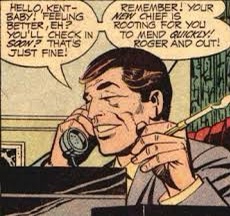
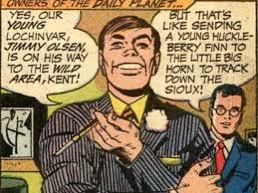
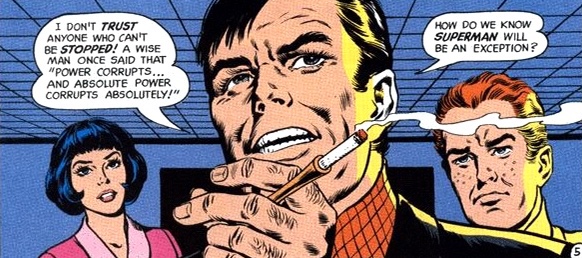
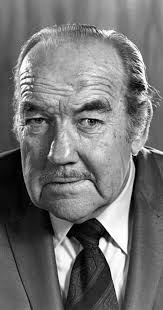
One thing that Puzo had difficulty with was referring to the character as “Martin Edge” at numerous times in this first draft. This is one character whom he obviously did not have a solid grasp on, and Edge would not survive beyond the Puzo drafts.
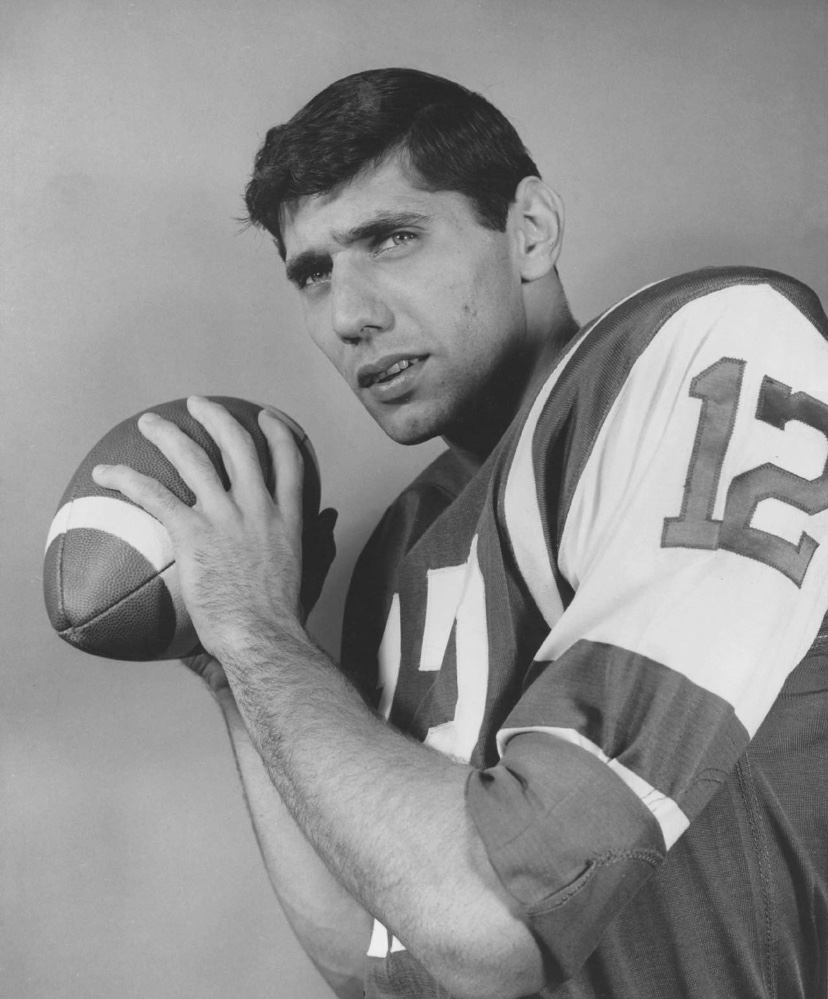
We are also introduced to sportscaster Steve Lombard, another supporting character brought in from the comic books. Created by Cary Bates and Curt Swan in issue 264 of the Superman comic, dated June 1973, Lombard was a former football star who later became a sports reporter for WGBS under Morgan Edge. He would frequently pull practical jokes on Clark and hit on the women at WGBS, including Lois Lane. (It would be another four decades before we would finally see Steve Lombard on screen, in the 2013 film Man of Steel.)
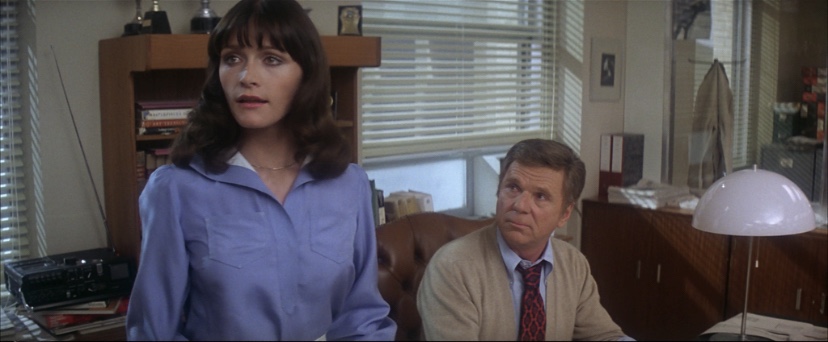
We then meet Lois Lane, and it is here that Puzo greatly differentiates from her original incarnation. Here she is seen as the WGBS weather girl who frequently flubs her delivery of the weather reports. A tough but attractive, self-confident reporter, the only reason she became the weather girl is because, according to Edge, “she photographs well.” But it’s clear that Lois would much rather be a hard hitting news reporter than a weather girl. And even in this first draft, Lois still has a penchant for smoking, hitting both Edge and Clark up for a menthol cigarette. This is one characteristic that is seen all the way through into the first two Superman films.
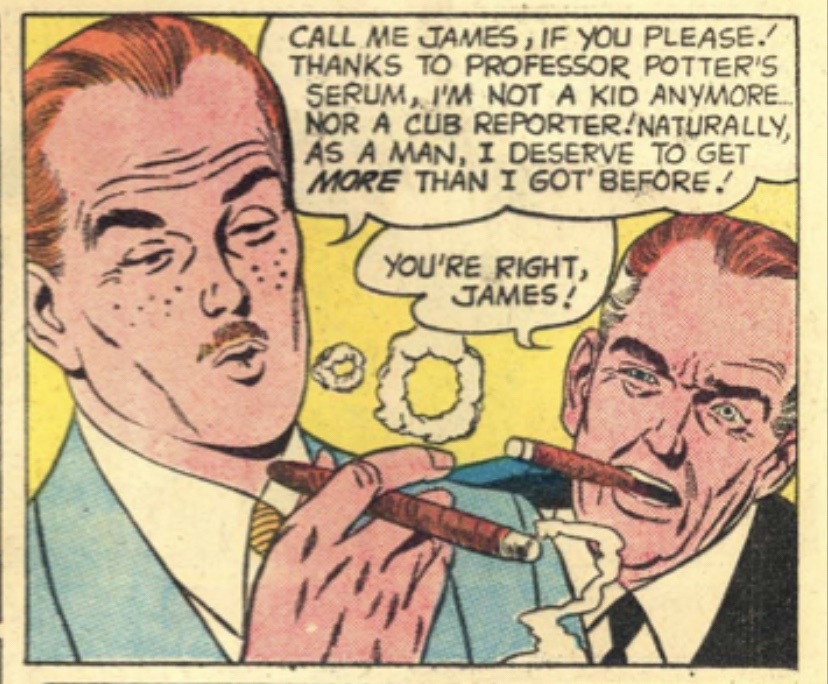
As if that weren’t enough, we are also introduced to reporter Jimmy Olsen, who is not a photographer or even a cub reporter, and at one point he is seen smoking cigars in Morgan Edge’s office. This is obviously reflective of Puzo smoking big Cuban cigars in real life.
Now that we have met the WGBS crew, let’s move forward with the story. We first see Clark Kent in his apartment in Metropolis changing into Superman and preventing a snowstorm from blanketing the city. This is a leap beyond logic in the script as it’s already his first day in Metropolis, and Clark has his apartment fully furnished and in place. Granted, it’s a first draft, but still even an established writer like Mario Puzo should have known to work out the kinks in this kind of story logic. I will give him a little bit of grace in that this is just that, a first draft script, as some of the elements thus far have not been expanded or worked out or corrected.
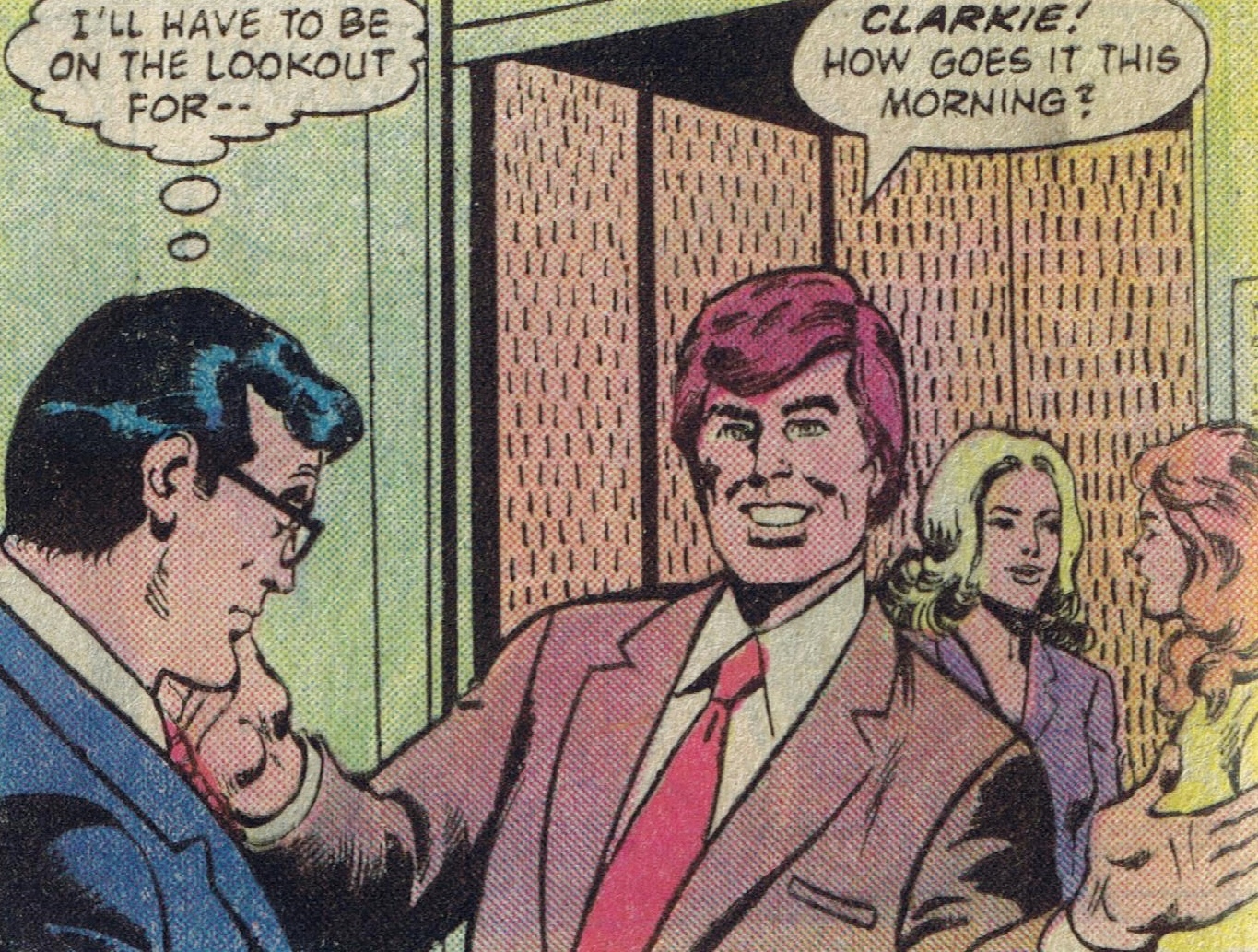
From there, Morgan Edge assigns Lois, Clark, Jimmy, and Steve to patrol the streets of Metropolis and report on crimes as they occur in the city. This leads into a three-page sequence of Clark and Steve attempting to fake each other out over football. This further expands upon Steve’s attempts to pull practical jokes at Clark’s expense, but Clark somehow covertly uses his superhuman powers to fake out Steve. While it does provide some lighthearted character byplay among them, it comes off as a needless moment in the script and one that doesn’t survive beyond the Puzo treatment.
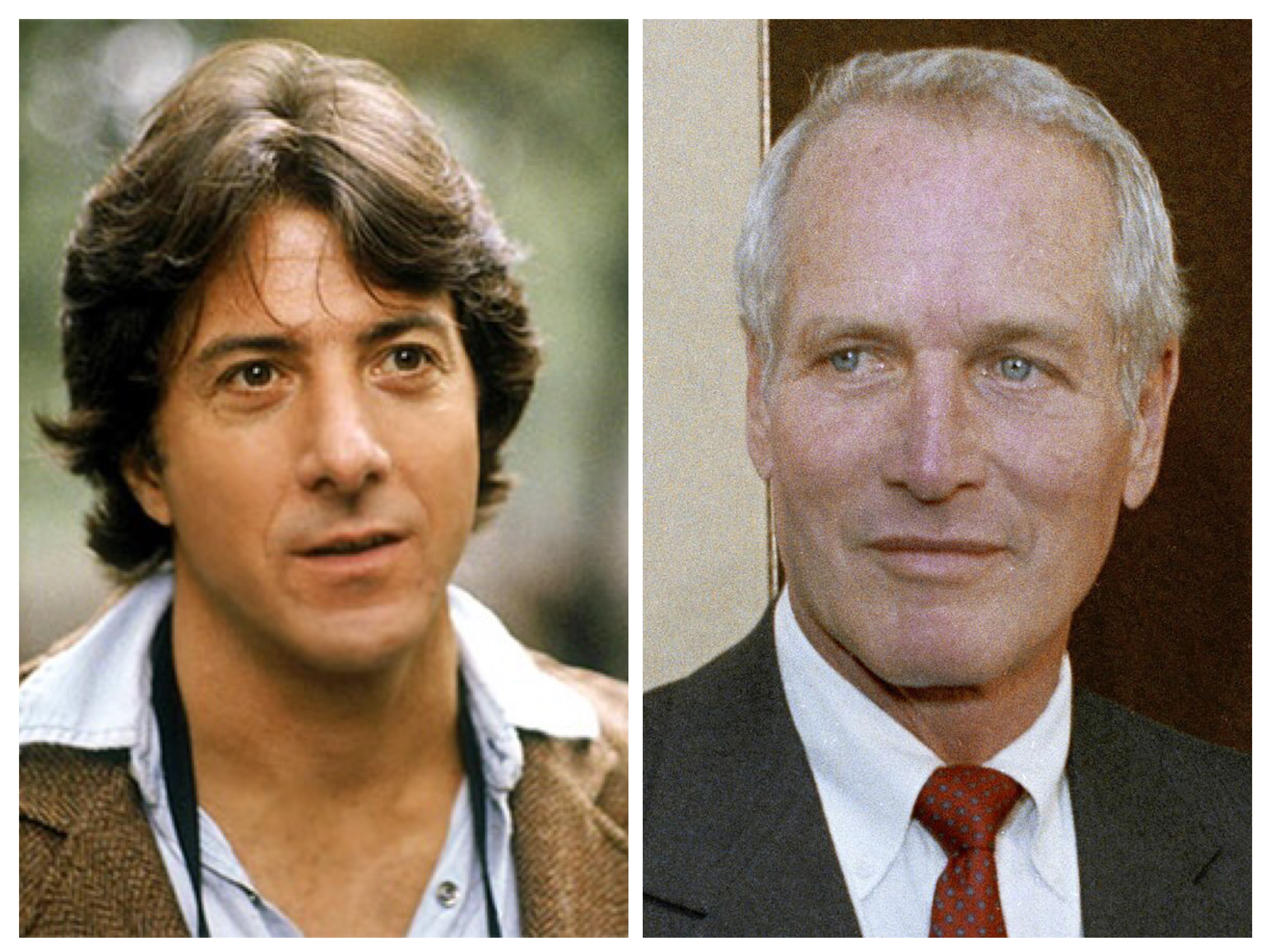
From there the story shifts to the first appearance of the film’s chief villain, Lex Luthor. Only he’s not referred to as Lex Luthor but as Luthor Lux. While he doesn’t have the character’s name accurately nailed down, Puzo depicts him as the bald villain we know from the comic books. More interesting is the fact that Puzo describes Paul Newman or Dustin Hoffman in the role at this early stage.
Puzo also mentions that Luthor has four or five henchmen in his employ. None of them are mentioned by name. All of them are preparing to hijack an armored car by replacing the real money with perfectly detailed counterfeit money. Luthor says, “When we switch it into the bank and take out the real currency, the Feds will go crazy. When they trace it back to the bank, they’ll put all the bank officials in jail. Where they belong. And the bank will never know they’ve been robbed.” It seems almost improbable that the world’s greatest criminal genius would resort to bank robbery, and yet this is how Puzo portrays Luthor.
But there is another member of Luthor’s team whom I wish to reference. Puzo’s script mentions a blonde female named Eve in these early moments. This is important because it’s from here that the character will evolve into Miss Teschmacher in the films. And this is where we see in the end credits of Superman, Superman II, and Superman II: The Richard Donner Cut that her character is named Eve Teschmacher, though she’s never called by name as Eve during the films.
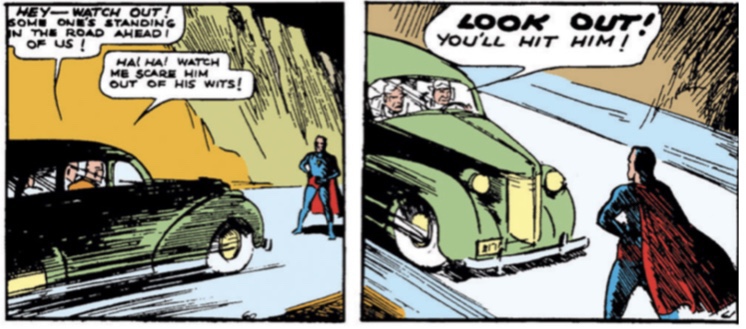
Afterwards the reporters spot Luthor and his henchmen at work replacing the real money from the bank with their counterfeit money. Lois runs into Luthor and is abducted and held in their armored truck. But their getaway is soon imperiled as Superman arrives at tries to play chicken with them. Luthor refers to him as “a man in a circus costume.” This is a moment Puzo has referenced from Superman’s first appearance in Action Comics #1 from 1938.
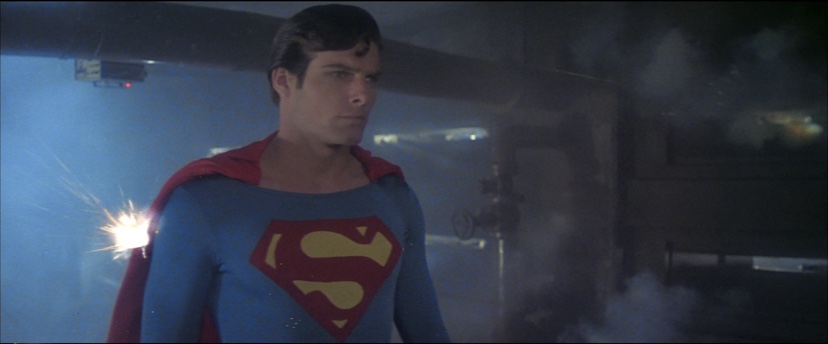
Superman is successful in stopping the criminals and rescuing Lois, and both Jimmy and Steve have successfully captured these events on film, but somehow Luthor manages to escape. In a two-page insert that Puzo includes in the middle of the next sequence, Superman pursues Luthor to his lair and believes he’s captured him, but Luthor has tricked Superman with a glass maze, white lights, and holographic imagery.
The next day, Morgan Edge chews out all of his reporters for not getting stories of crimes in progress, despite their comments about the failed bank heist. It is here that Jimmy Olsen first suggests calling the caped hero Superman, to which Edge tells him to carefully hedge it in case he turns out to be a phony. Edge then tells his reporters to stay on pursuing crimes in action and forget all about Luthor Lux.
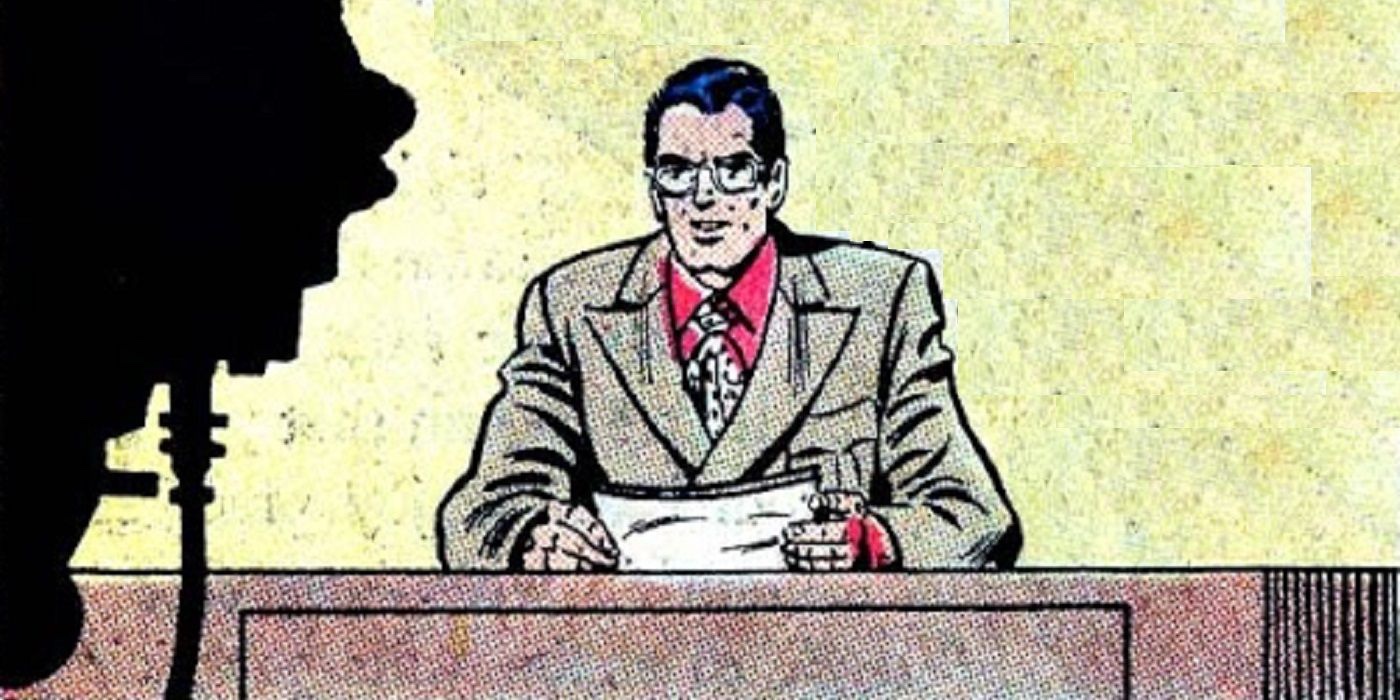
We then see Clark Kent on the next news broadcast mentioning various stories from around the world, soon focusing on Superman’s first appearance in Metropolis. Luthor watches the news report and soon considers Superman a foe worthy of his intellect.
We then see Steve Lombard attempt to trick Clark out of his date with Lois by betting him a hundred dollars that he can’t make a solid pass through a tire. Of course, Clark one-ups Steve in the process. It’s moments like these that were scrapped after the Puzo drafts, as he spent too much time focusing on the banter between Clark Kent and Steve Lombard, which slowed down the progression of the story as a result.
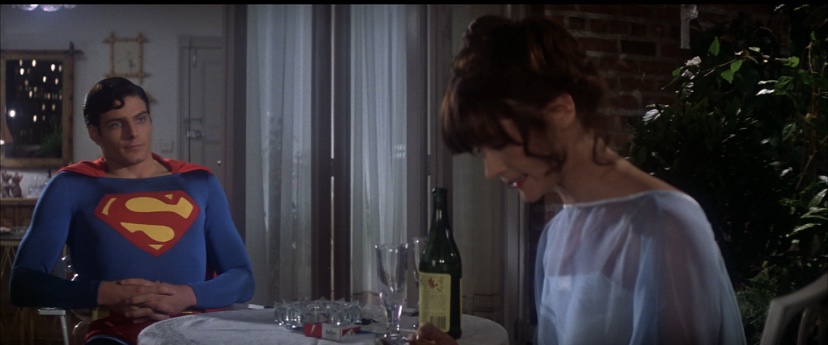
Later, Puzo has Lois and Steve witnessing a drug deal going down when the dealers spot Lois. Superman arrives, spots the drug dealers, and gives Lois her first exclusive interview with the Man of Steel. He keeps his answers short and to the point before flying off and leaving Lois wanting to know more. This exclusive interview is one that is later rewritten and used in the final film as one of the standout scenes of the entire film.
And now we are a third of the way through the script at this point. Next time we will look at Luthor’s plans to use Superman’s weakness against him… and the return of some familiar faces from the story’s beginning. Stay tuned!
(Some of the screenshots used in this blog are courtesy of CapedWonder.com.)
 Superman: The Blog