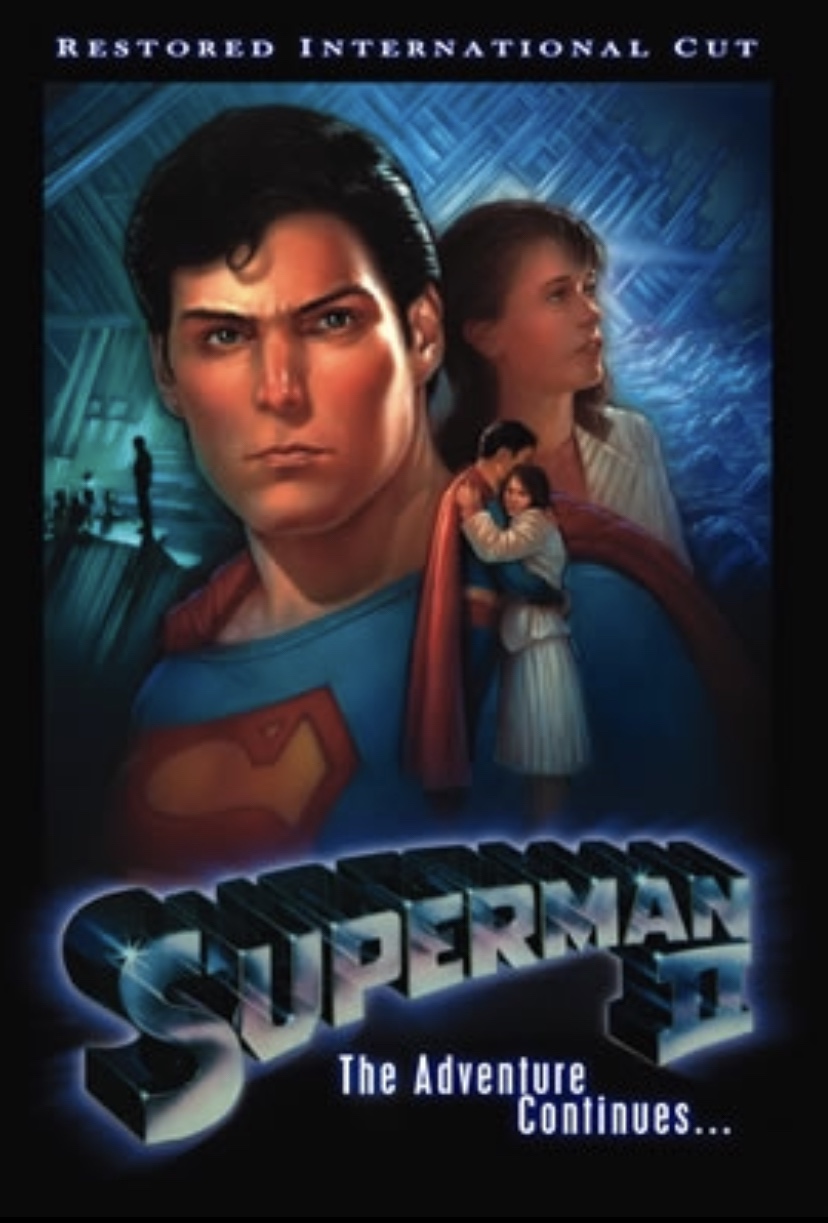
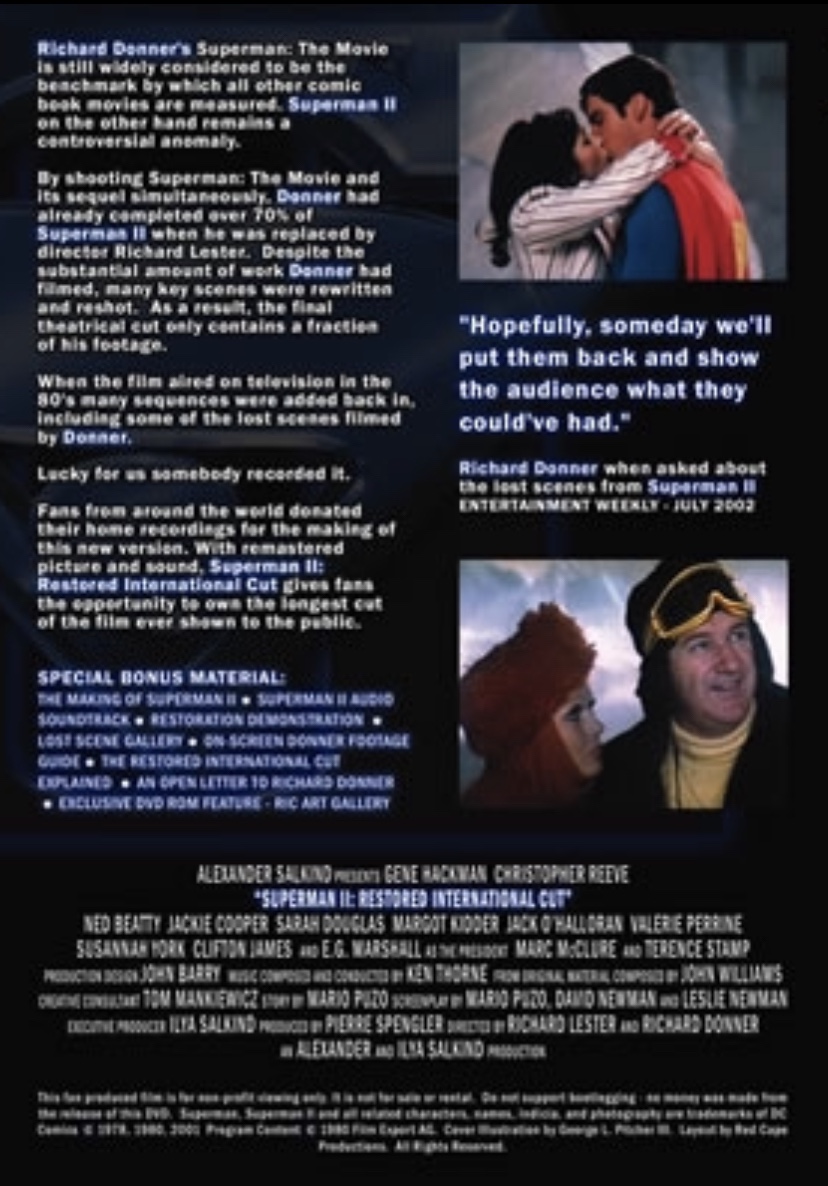
It began with one person’s dream to bring the film back to its original sensibility. Before long, people began to contribute their time and resources to make Superman II: Restored International Cut a reality. And this was at a time before terms such as crowdfunding and GoFundMe entered our lexicon, some with success (The Chosen) and some with colossal failures (Axanar, anyone?)
This is where I come in.
Through Superman Cinema, the editor put out the call once again for any fans with copies of the extended version on tape to contribute to the project. When I saw the announcement, I stepped up to the plate and made contact with the editor. Not only would I contribute my first-generation VHS recording of the broadcast, but I would also provide a copy of the footage analysis I had been working on for a few years at that time. My contributions were extremely generous to the editor, with many key scenes making their way into the final product, and the footage analysis used as an optional text commentary during the film. Another contributor, Todd Kluss, also provided his first-generation VHS recording as well. Both versions would be used in the final product.
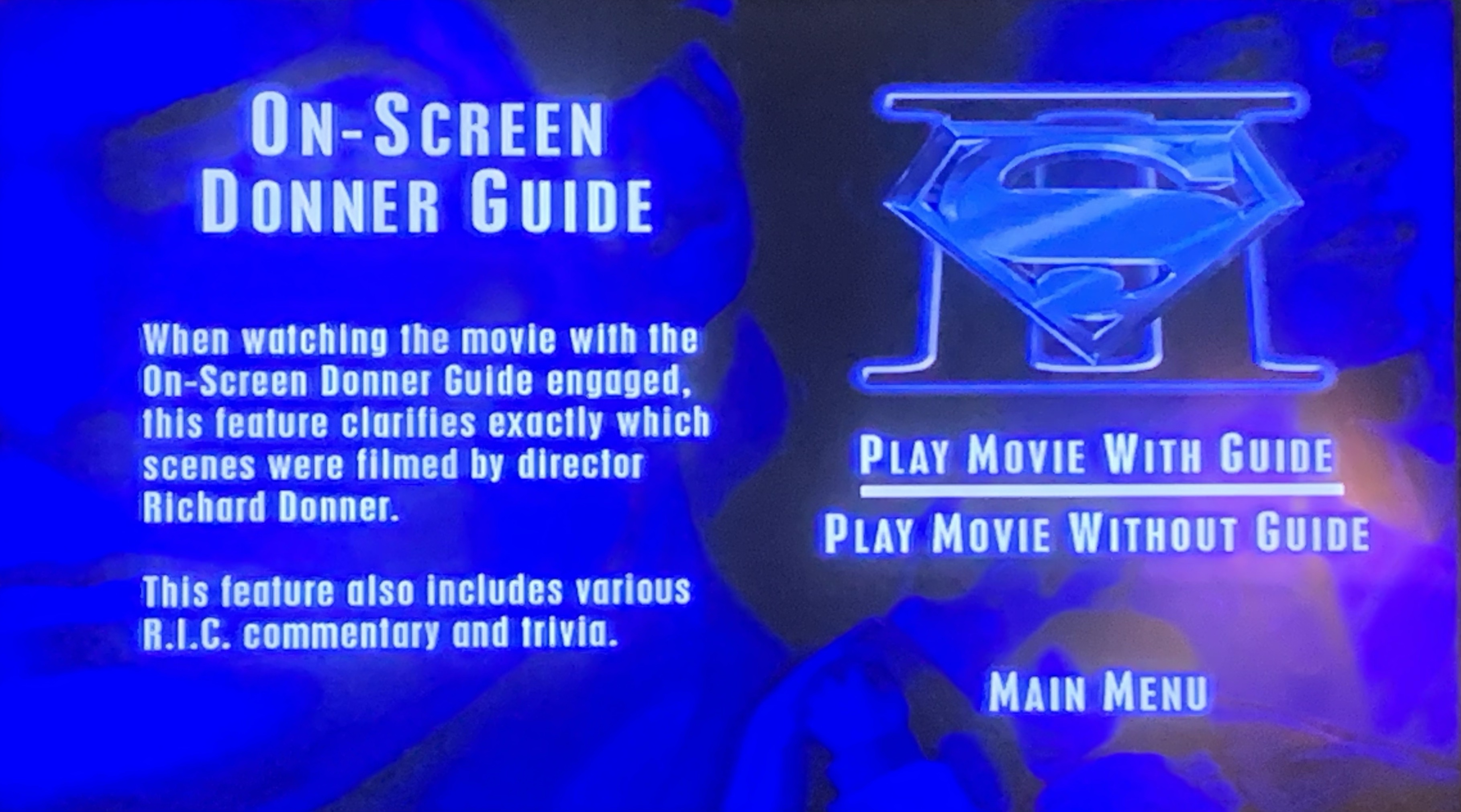
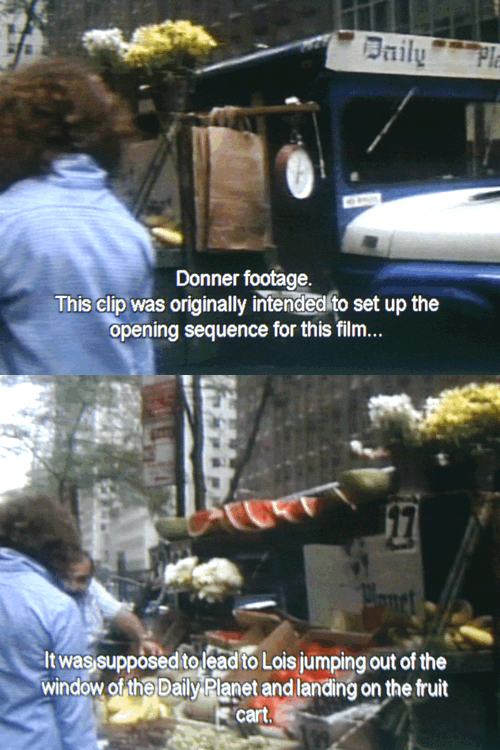
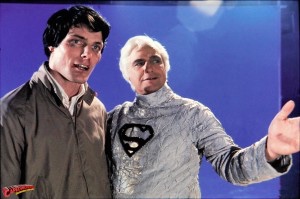
Other contributors made significant contributions to the project. One fellow suggested to the editor that the DVD contain numerous bonus features on the disc, which the editor took to heart. Jim Bowers of CapedWonder.com submitted numerous production photographs for three key sequences Donner had shot in 1977: Lois attempting to trick Clark into becoming Superman by jumping from the Daily Planet, the original version of Superman sacrificing his powers for Lois, and Jor-El returning one final time to restore Superman’s powers.
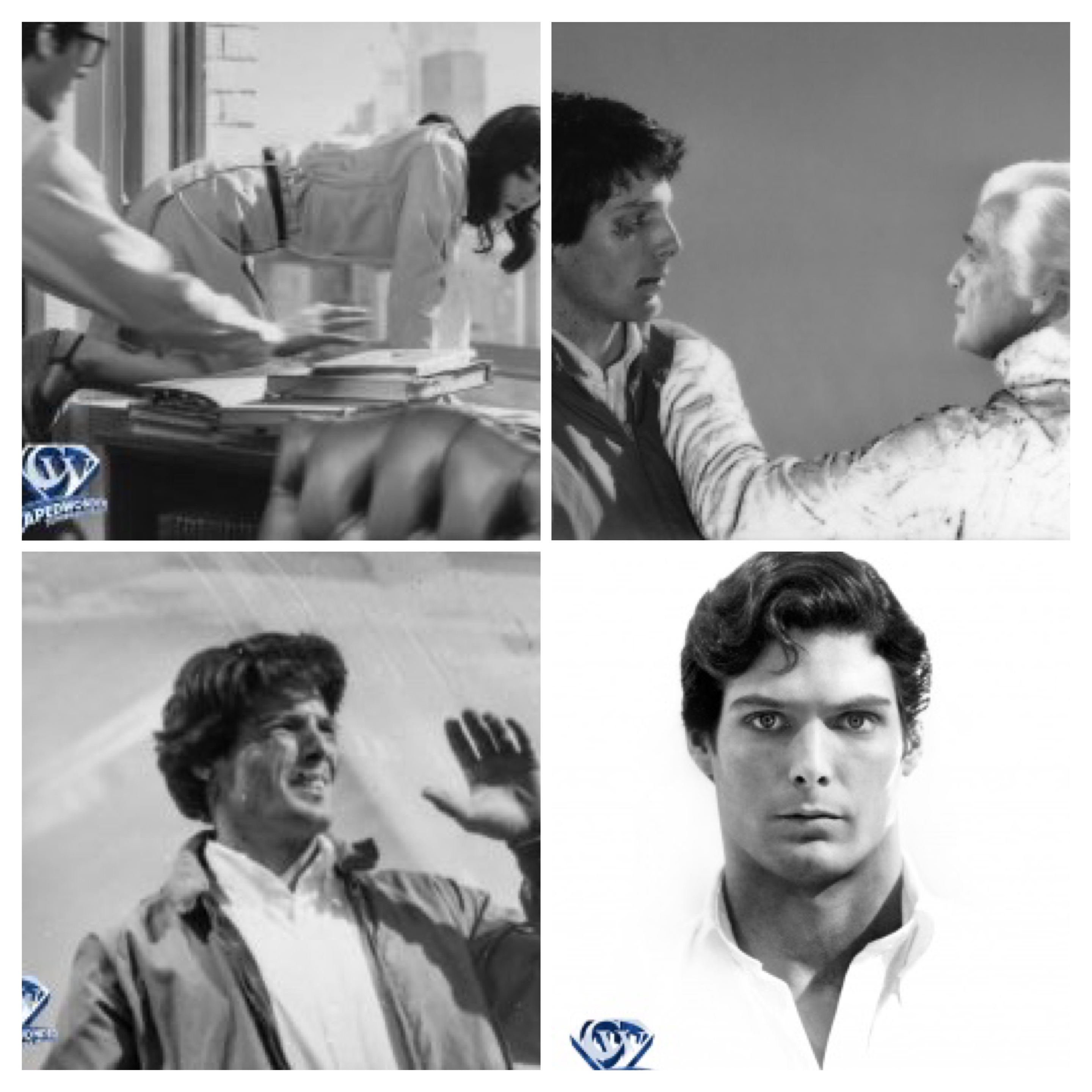
A few scant photographs had surfaced in the public years before, but only now were we seeing more behind the curtain, so to speak.
Another fan, identified as “Xeno Galaxian”, provided a copy of the Making of Superman II documentary for the project (a few years before its inclusion in Warner Bros.’ Superman Ultimate Collector’s Edition box set). Conor Rooney provided a copy of the original Ken Thorne soundtrack album to the project (another precursor to the Superman: The Music – 1978-1988 CD box set). Another fan, George L. Pilcher III, provided both the DVD menus and the artwork for the release. Still other fans, among them Kevin Skinner, Russell Dodd, J.B. Ross, and “Pineapples 101”, provided the encouragement and support the editor needed to bring the project to completion.
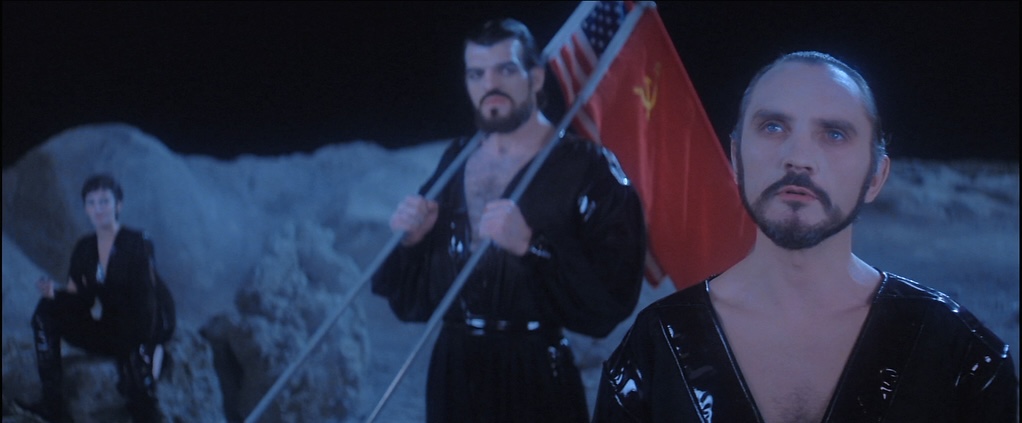
At one point the editor sent me a copy of his work in progress, which he had shown to a group of his friends, and I could see his intentions. I gave him honest feedback about his work, which he received with enthusiasm. One part I remember was how, in the added footage of Ursa on the moon, he and his sound mixer barreled down Ursa’s voice when she says, “Men… to kill!” It felt more matched up with the theatrical footage now. In addition, I remember how that added footage didn’t exactly sync up with the theatrical footage because of an obvious jump in the pan-scan process during the television broadcast. This was very obvious when you look at Zod. Now it seemed much smoother. I couldn’t spot any jump or loss of footage or sound. The editor’s reception to my comments were confirmation that he was on the right track. “At last! Someone finally gets it!”
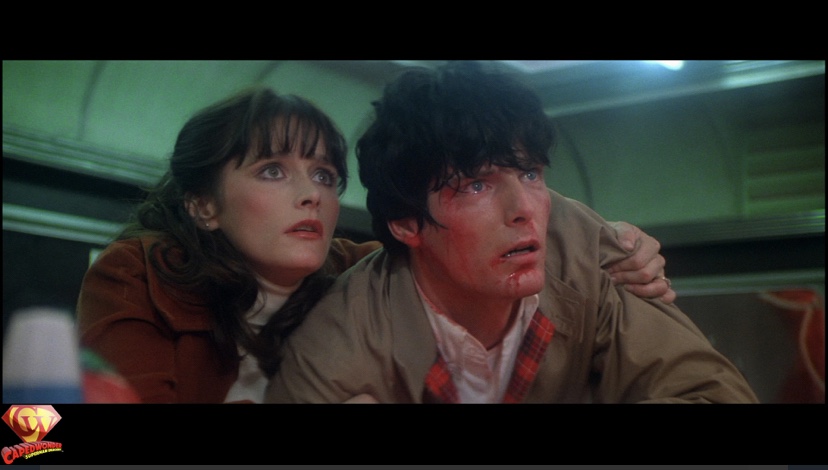
The other thing I remember was his cliffhanger break at the end of the first disc. It was during the first diner scene when Lois and a powerless, beaten Clark watch Zod’s threat on television when he says, “Come and kneel before Zod!” The disc ended at that point, and the second disc resumed at exactly the same point and continued forward. In my opinion it wasn’t the best place for a natural break in the film during the shot, or the scene for that matter. I still remember to this day seeing The Empire Strikes Back at the old Deville Cinema in Jackson, Mississippi, and the intermission occurred during the scene when Luke enters the dark cave with his weapons against Yoda’s advice. And that was a two-hour movie in the theater. So seeing that break in the editor’s work in progress on the RIC brought back those memories. I don’t recall if I pointed it out to him or not, but I want to say that I did. Nonetheless, it was something he would go back and work on in his update. In the final version, the break in the film occurs after the end of the villains’ invasion of the White House.
But there was one significant hurdle that had to be crossed: how to get the project out to fans who wanted to see the RIC without setting off any alarms with Warner Bros.? The editor included an open letter to Richard Donner, stating, “Your work is not forgotten. This project, the Restored International Cut, exists as a tribute to your work and efforts. It’s been more than twenty years, and your fans are still patiently waiting for the real Superman II. Many of us have gone to great lengths to get a glimpse of the film we’ve been longing to see. While we still wait for an official release, the bootlegging community has shown no qualms in charging fans extravagant prices for low quality reproductions of footage known to exist. It is our hope that this project will offer fans a more reasonable way of obtaining those scenes.
“This Restored International Cut has two main purposes. First, to give fans the opportunity to see those scenes in the best possible manner, without having to pay inflated bootleg prices. This whole endeavor has been done as a labor of love and is strictly non-profit. Second, to let you, Warner Brothers, and anyone else with influence know that the fans are still eager to see the rest of your lost work on Superman II.”
His openness and honesty sent a clear message to Donner and Warner Bros. officials: he was not in it for the money, nor was he making a name for himself. He was a fan who, like so many others, wanted to see Donner’s version of the film completed and released in an official capacity.
In short, the editor told me, he created a project that was intended to be destroyed.
His plans were reasonable. Twenty master copies sent out, with fifty copies made from each master copy and freely distributed, would result in one thousand copies. One thousand more voices to be heard by the studios to petition for an official release. I remember seeing the final project on DVD toward the end of October 2004, a couple of weeks after the untimely passing of Christopher Reeve. The film looked and sounded fantastic. All of the bonus features were incredible, including a before-and-after restoration of footage. Even seeing my name in the credits brought a huge smile to my face, knowing that I helped in making something special.
A year later, the editor had plans for a third phase of the RIC. His intentions were to include enhanced visual effects in certain key sequences to make the film even more visually exciting, and a trailer was prepared…
Unfortunately, as the saying goes, the road to hell is paved with good intentions.
Somehow, somewhere, bootleg copies of the RIC made their way into the public for sale, either at a comic book store or at a convention, I cannot recall reading where. Someone was determined to wrongly profit off the editor’s hard work. This in turn alerted Warner Bros. to contact the editor and advise him to formally kill the project – which, ironically, was the editor’s intention. By this time Bryan Singer had secured the rights to Marlon Brando’s footage from Superman: The Movie and Superman II for inclusion in Superman Returns, which in turn opened the door for Richard Donner, Tom Mankiewicz, and Michael Thau to begin work on bringing Donner’s version of Superman II to completion in 2006.
I lost contact with the editor. Fortunately, I still have his work on disc, along with the memories of what he shared with me, even though I no longer have those e-mails. I recently came across an interview he gave with Entertainment Weekly shortly after the project was killed that sums up his feelings about the entire process:
“Details of this fan restoration have been removed because Warner Bros. have contacted me. I think as a collective group, we’ve achieved what we set out to do, that is to raise awareness of Donner’s work on Superman II. It is imperative that the wider audience learns about Donner’s work on Superman II… It’s not about me, it’s about the film. When you get down to its core, it had a great story that even Richard Lester couldn’t screw up.”
When you compare all of the versions of Superman II that are out there, there are bits and pieces of footage, including deleted scenes, alternate angles, and trims that are exclusive to the extended version and are not in either the original theatrical release or either version of the Donner Cut. Amassing all of the footage would be similar to the work done on the 2002 and 2010 Kino Lorber releases of Fritz Lang’s Metropolis or the Criterion Collection’s 2006 release of Orson Welles’ Mr. Arkadin (aka Confidential Report). The differences are endless. I’ve done it in my head and on paper.
In recent years Warner Bros. has commented that they in fact have a complete widescreen print of the extended TV cut in their vaults. The proof is there in all of the added scenes that are featured in both versions of the Richard Donner Cut, including the deleted scenes section on the DVD and Blu-ray. Because the Warner Archive release of the extended TV cut of Superman: The Movie was a huge success, it only makes sense that they should do an official release of the extended TV cut of Superman II, thereby further superseding the RIC. And with the forthcoming 4K releases of the Superman films next year, it may give further incentive for the Warner Archive to offer the film on Blu-ray. Time will only tell.
But one thing is clear: the Superman II Restored International Cut fills in a key gap in the Superman franchise which we are thankful for, all due to the efforts of one fan with a dream. To the editor, if you’re out there reading this blog… thank you.
Some of the photographs and screenshots in this blog are courtesy of CapedWonder.com.
 Superman: The Blog